From Meals to Medication: How In-Home Care Supports Senior Nutrition and Health
Business Name: FootPrints Home Care
Address: 4811 Hardware Dr NE d1, Albuquerque, NM 87109
Phone: (505) 828-3918
FootPrints Home Care
FootPrints Home Care offers in-home senior care including assistance with activities of daily living, meal preparation and light housekeeping, companion care and more. We offer a no-charge in-home assessment to design care for the client to age in place. FootPrints offers senior home care in the greater Albuquerque region as well as the Santa Fe/Los Alamos area.
4811 Hardware Dr NE d1, Albuquerque, NM 87109
Business Hours
Families seldom call about nutrition first. They call since Mom forgot her evening pills again, or Dad fell reaching for a pan, or the fridge has plenty of ended food. Then, as soon as we enter the home, the genuine picture of daily life comes into focus, and food, hydration, and medication end up being woven securely together.
After more than a decade working with at home senior care groups, I have discovered that the difference between "doing okay" and moving into crisis is frequently discovered in small day-to-day details. What in fact gets consumed. When water is offered. Whether the medication that must be taken with food is matched to a real meal, not a couple of crackers. These are the peaceful minutes where excellent elder care avoids healthcare facility stays.
This post strolls through how thoughtful in-home care supports senior nutrition and health, from the kitchen to the pillbox, using practical examples from genuine homes, not theory from a brochure.
Why nutrition becomes fragile with age
Most older grownups do not unexpectedly lose interest in consuming. Their nutrition declines for a mix of slow, overlapping reasons that are simple to miss if you only see them at holidays.
Taste modifications as we age. Foods that were when appealing may taste dull or perhaps metal, especially for senior citizens on numerous medications. Oral concerns and ill-fitting dentures make meat, raw veggies, and even some fruits hard or painful to eat. That frequently causes a diet of soft, low protein foods like toast, pastries, and canned soup.
Mobility and energy drop also. Cooking that when felt simple now appears exhausting. Bring groceries, rising to cabinets, standing at the stove, and cleaning dishes all take more effort. I have actually seen proud parents, as soon as careful cooks, residing on peanut butter sandwiches and frozen suppers simply due to the fact that they did not have the energy for more.
Chronic conditions make complex the picture. Diabetes, heart disease, kidney issues, and dementia all affect what and how often a senior need to consume. Trying to follow medical nutrition suggestions while handling multiple prescriptions is a lot to expect from someone who may currently feel overwhelmed.
Finally, there is the emotional side. Sorrow, seclusion, or moving out of a long-term home can flatten hunger. Numerous widows and widowers quietly confess they do not like eating alone. The social part of meals disappears, and so does the motivation to shop and cook.
All of these elements create a vulnerable circumstance. Calories might still be entering, however protein, fiber, fluids, and important micronutrients are missing. That gap fuels muscle loss, weak point, falls, confusion, constipation, and slower recovery. In senior home care, you hardly ever deal with "just" nutrition or "just" medication. You treat the whole pattern.
How in-home care sees what a clinic visit cannot
A primary care provider might believe malnutrition or dehydration from lab outcomes, weight patterns, or cognitive modifications. However they see photos. In-home care exposes the full movie.
When a caregiver first gets here, they see the kitchen, the freezer, the sink, and the trash. They discover whether there are fresh fruits and vegetables, or only shelf-stable carbohydrates and sugary foods. They see if dishes are stacked high since cleaning them has ended up being too much, which generally implies meals are getting skipped.
Medication storage also narrates. I have actually seen tablet bottles scattered in three or four spaces, every refill from the previous year still present, numerous half complete. That often indicates doses are being missed or doubled. If any medications are supposed to be taken with food, nutrition right away becomes a safety problem, not just a health topic.
In-home senior care makes area to observe and ask concerns in such a way that rushed clinic visits can not. A caretaker can sit at the table and see for how long it takes to cut food, whether swallowing seems hard, or whether the senior tires halfway through a meal. Over a couple of days, a pattern emerges. That pattern becomes the roadmap for targeted support.
The peaceful power of meal support
Families typically presume that "meal support" means a caregiver cooks and the senior consumes. That becomes part of it, however excellent home care makes meal support even more nuanced and respectful.
From planning to plate: making meals realistic
Effective in-home care starts where the senior is, not where a nutrition book desires them to be. If a customer in Albuquerque has eaten New Mexican food all their life, informing them to live on plain baked chicken and steamed broccoli is not practical. They are far more most likely to consume red chile stew with lean meat, beans, and vegetables, particularly if it tastes like what they matured with.
Caregivers who know their clients well focus on:
- What the senior already likes to consume, and how that can be made more secure or more nutritious
- What fits the medical strategy, such as lower sodium, consistent carbohydrates, or softer textures
- What the senior can reasonably chew, swallow, and digest
For example, one customer with poor dentition loved apples however might not manage biting into them. His in-home caregiver began peeling and slicing them thinly, then pairing them with peanut butter or cheese for protein. The change was easy, but his fruit intake doubled, and his afternoon blood sugar dips improved.
For another customer with heart failure, the issue was salt. She adored canned soups however her ankles and weight informed a various story. Her caregiver dealt with her daughter to gradually switch her to homemade soups using no-salt-added broth and plenty of vegetables. It took a few shots to match her preferred flavors, but she avoided of the health center that winter season for the first time in 3 years.
Groceries: the unglamorous linchpin
Healthy eating begins in the store, not the cooking area. For numerous elders, the breakdown happens here. They can not easily walk the aisles, lift heavy products, or drive securely, specifically in bad weather. For those dealing with home look after parents from a range, this is frequently the missing piece they do not see.
Caregivers in senior home care settings frequently:
Arrange and perform grocery shopping with a detailed list, consisting of healthier options the senior approves
Rotate kitchen and refrigerator items so older food gets used first and expired items are discarded Shop food in plainly labeled containers that are easy to open and reheat, specifically for those with arthritis or moderate cognitive problemsIn Albuquerque home care, heat and hydration add another measurement. Summer season temperatures raise the danger of dehydration and food spoiling more quickly. Competent caretakers keep a closer eye on water intake, electrolyte beverages if suggested, and how long leftovers remain, especially in homes without strong air conditioning.
Hydration: the overlooked medication
If I might fix one habit in lots of older grownups, it would be their relationship with fluids. Dehydration is both common and sly. A senior might insist they drink "a lot of water" however have just had 2 small glasses throughout the day. By the time symptoms appear - confusion, dizziness, irregularity, or dark urine - they may currently be at danger of a healthcare facility visit.
Elder care in the home is distinctively positioned to address this due to the fact that it takes place moment by moment. A caregiver can provide small amounts of fluid frequently, rather than anticipating large glasses at meals. They can likewise tailor what is used to the person's tastes and medical truth. Some senior citizens highly choose flavored drinks, others like herbal teas, light broths, or fruit infused water.
Fluid timing likewise matters with some medications. Diuretics for cardiac arrest, for example, increase urination. If all the day's fluids are taken late in the evening, sleep is interfered with by numerous bathroom journeys and fall danger increases. A caregiver can help pace fluids previously in the day, in line with medication schedules, and decrease nighttime strain.
The art remains in making hydration feel regular and enjoyable, not like a chore or scolding. A cup of tea while watching a preferred program, water offered with each medication pass, or a glass of diluted juice with a treat can make a significant distinction over weeks and months.
Medication: the covert partner to nutrition
Medication management is often what brings families to in-home care in the first place. They see the tablet boxes, the baffled notes, or the growing list of prescriptions and understand it has become too much. Many do not yet see how firmly that medication schedule is connected to food.
Some medications should be taken with food to avoid nausea or stomach inflammation. Others need to be handled an empty stomach for proper absorption. Certain drugs, such as warfarin, communicate with vitamin K abundant foods like leafy greens, so wildly irregular intake can destabilize blood levels.
Without regular meals, medication safety suffers. I keep in mind a client who often complained that his "pills make me ill." His child worried that the medications were wrong. After a few home visits, the caregiver recognized he often took numerous early morning medications before eating anything more than a cookie. Once they included a basic breakfast - rushed eggs, toast, and a small glass of milk - his nausea faded and he stopped avoiding doses.
Good at home senior care weaves medication and nutrition together:
Caregivers discover which medications need food, which need empty stomachs, and which have substantial food interactions
They help structure the day so that doses line up with treats and meals the senior will really eat They document side effects that might reduce appetite, such as nausea or dry mouth, so that nurses or doctors can change the regimenFor families managing home care for parents from another city or state, this combination is frequently what supplies comfort. It is no longer a secret whether Mom really consumed with her morning tablets or whether Dad kept in mind not to take his medication on an empty stomach. There is an experienced set of eyes in the home.
When dementia belongs to the picture
Dementia modifications everything about how we approach food and medication. Cravings signals are less dependable. A person might forget they just ate and insist they are starving, or they might lose interest in meals entirely. Swallowing can become unsafe. Judgment about raw versus prepared food, expiration dates, and even which compounds are edible can be impaired.
In-home care becomes both a safeguard and a bridge to self-respect here. Instead of buying the senior to "take a seat and consume," an experienced caregiver utilizes hints and structure. Meals are served at consistent times, on familiar dishes, with favorite foods noticeable. Distractions like loud tv or cluttered tables are decreased so the person can focus.
Finger foods often help, especially as utilizing utensils becomes confusing. Chopped fruit, small sandwiches, cheese cubes, soft-cooked vegetables, and bite-sized pieces of tender meat can support independence. The caregiver monitors pace, chewing, and swallowing, prepared to action in silently if needed.
Medication with dementia is its own danger location. Tablet organizers can look unknown and be refused. A senior may take the same dosage two times since they do not keep in mind the very first time. In-home senior care allows for direct, real time guidance. The caretaker can carefully trigger, offer pills with a favorite beverage, and view to ensure they are really swallowed.
Families frequently stress that accepting this level of elder care indicates losing the last of their loved one's independence. In practice, the reverse is true. With structure and assistance around meals and medication, many individuals with dementia can securely remain in the house longer, in environments that feel comforting and known.
The emotional side of consuming at home
Food is not only fuel. It brings memory, culture, and identity. When talking about in-home care, households in some cases focus on checklists: variety of visits, hours weekly, specific tasks. Beneath those information lies a more human concern: What https://johnnyycwx599.bearsfanteamshop.com/how-home-care-teams-coordinate-nutrition-medication-and-hygiene-for-elders will every day life feel like?
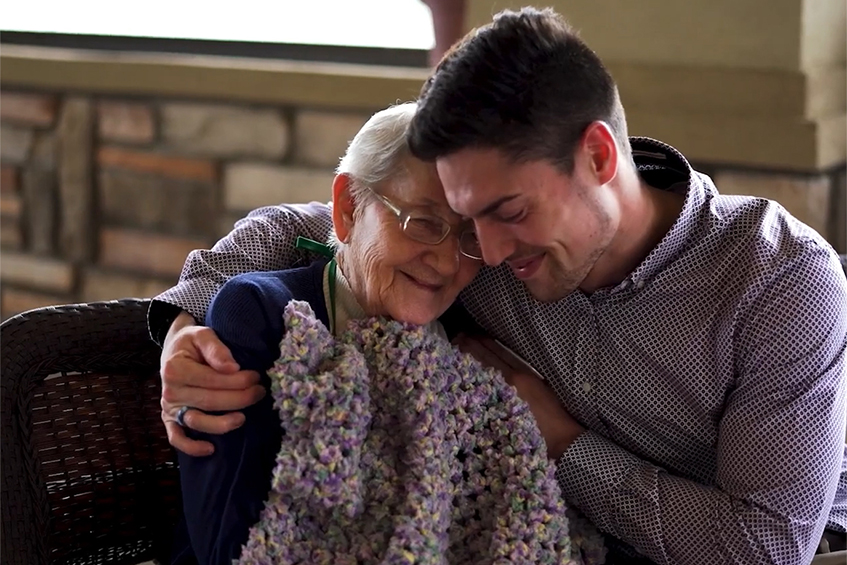
The best senior home care groups treat meals as both nutrition and connection. Sitting together at the table, even if the caretaker is only drinking tea while the customer eats, reduces the loneliness of dining alone. Inquiring about old family recipes can trigger stories and bring back a sense of pride.
In Albuquerque and comparable communities, traditional foods matter deeply. Green chile stew, posole, tortillas, or vacation specialties might all have a place in a senior's sense of self. Skilled Albuquerque home care companies do not bulldoze those traditions in the name of "healthy eating." They work with households and clinicians to adjust recipes where necessary - less salt, leaner cuts of meat, gentler textures - while protecting familiar flavors.
This method likewise typically enhances cooperation around medication. When a senior feels respected and heard at meals, they are more happy to accept guidance on when and how to take their pills. Trust built over shared meals pays dividends in adherence.
Warning indications a senior's nutrition and medication are off track
Families often ask when it is time to bring in in-home care. They fret about overreacting, especially if their parents insist they are "fine." There are several small, concrete signals that nutrition or medication management might be slipping.
Here prevail indications that it is time to take a closer look:
- Noticeable weight-loss or baggy clothes over a few months, particularly if "nothing has changed"
- An almost bare fridge, or one loaded with expired, spoiled, or replicate items
- Frequently missed medical appointments, refills not got, or unopened medication bottles
- More regular falls, confusion, or "simply not quite themselves," especially late in the day
- Repeated urinary system infections, constipation, or dehydration-related health center visits
Any among these does not show a crisis. Patterns matter more than single events. In-home care does not need to imply full-time assist right away. Lots of households start with a few visits weekly concentrated on meals and medication, then change as needs change.
Building a practical care strategy: what households can expect
When households in Albuquerque or in other places very first connect about home look after parents, they are frequently unsure what to ask. They understand they desire aid with "meals and medications" however not what that looks like day to day.
A solid in-home care plan for nutrition and health normally includes the following aspects, adjusted for the person:
An evaluation of current consuming patterns: What is a normal day's food and drink consumption, including snacks and nighttime habits
Medication mapping: Which prescriptions and over-the-counter products are taken, what timing is suggested, and any "with food" or "without food" requirements Kitchen and kitchen assessment: Safety, organization, existence of cooking tools the senior can still manage, and ease of access to commonly used items 
From there, the home care agency matches caregivers whose experience fits the circumstance. For complicated diabetes, you desire someone who understands carb timing and hypoglycemia warning signs. For innovative dementia, you desire somebody comfy with cueing, redirection, and adaptive utensils.
Communication is the backbone. Great agencies guarantee that caregivers, nurses, doctors, and households remain notified. When a caretaker notices a pattern - such as bad hunger at supper after a medication change - that observation is passed along immediately so that specialists can adjust the plan.
Questions to ask a possible in-home care provider
Not all home care firms approach nutrition and medication with equivalent depth. When you speak with firms for elder care assistance, particular questions reveal a lot more than basic promises.
Consider asking:
- How do your caretakers manage medications that should be taken with food or on an empty stomach?
- What training do you supply on nutrition for common conditions like diabetes, heart failure, or kidney disease?
- How do you coordinate with doctors or home health nurses if a customer's hunger or weight changes?
- In the case of dementia, how do your caregivers motivate consuming and drinking without causing agitation?
- How do you adapt meals to cultural or individual food choices while still following medical guidance?
The specific answers will vary, and that is fine. What matters is that the agency treats these problems as main, not as an afterthought. Their description of in-home care must sound specific and lived in, not like a generic brochure.
Balancing independence and support
One of the delicate jobs in senior home care is preserving as much independence as possible while still offering needed aid. Food and medication can feel deeply individual. Lots of older adults bristle at any tip that they are no longer capable in the cooking area or with their pills.
Experienced caregivers do not merely take over. They explore graded support. For example, a senior might still enjoy preparing meals and making a grocery list, while the caretaker deals with the actual shopping and heavy lifting. Or the senior may prepare easy products, such as sandwiches or oatmeal, with the caretaker actioning in only for oven use, slicing, or cleaning.
With medications, the caregiver might start with tips and visual aids: a well arranged pillbox, a large print schedule on the fridge, or smartphone alarms if the senior usages one comfortably. Just if it ends up being clear that dosages are being missed out on or doubled do they approach direct administration.
This balance is where strong relationships matter. When seniors feel talked down to or managed, resistance follows. When they feel partnered and reputable, most welcome the relief that comes from not having to remember every information on their own.
Why locality matters: a note on Albuquerque and local care
Nutrition and in-home care are constantly anchored in local truths. Albuquerque home care suppliers work within a specific environment, culture, and health care network. The dry air and high summer season temperature levels make hydration specifically vital. Regional food customs shape what "real food" appears like to numerous elders. Ranges in between communities and clinics affect how easy it is to get fresh groceries and go to appointments.
A company experienced in a particular area comprehends these aspects intuitively. They understand which grocery shipment services are reputable, where to find low sodium versions of standard foods, and how to adjust hydration practices throughout monsoon season versus winter. They also tend to have actually established relationships with regional doctors and home health agencies, which smooths interaction about changing needs.
When picking in-home care, households must try to find that grounded, regional awareness. A care plan that sounds fantastic on paper but ignores environment, culture, and logistics seldom works well for long.
The viewpoint: stability, not perfection
Families typically arrive in crisis mode, hoping that senior home care will "repair" nutrition or medication issues quickly. The reality is more modest and more resilient. There is rarely a single magic service. Instead, health improves through a series of stable, useful changes:
Meals end up being more regular and well balanced, even if they are simple
Fluids are offered regularly, not in sporadic gulps Medications are taken on time and in the right relationship to food Issues are spotted early, before they grow out of control into health center stays
Perfection is not the goal. Stability is. A senior who consumes 3 appropriate, familiar meals most days, drinks enough fluids, and takes medications properly will usually feel stronger than someone going after the most recent nutrition pattern or being pushed into unknown foods.
In-home care gives families the missing active ingredient that can not be supplied remotely: presence. Somebody in the home, day after day, who notices when the fridge is bare or when half the supper ends up in the garbage, who offers a glass of water at the ideal minute, who sits through the sluggish process of finishing a plate, and who aligns each tablet with a genuine meal.
For aging adults, that quiet, constant assistance often makes the difference in between enduring at home and genuinely living there.
FootPrints Home Care is a Home Care Agency
FootPrints Home Care provides In-Home Care Services
FootPrints Home Care serves Seniors and Adults Requiring Assistance
FootPrints Home Care offers Companionship Care
FootPrints Home Care offers Personal Care Support
FootPrints Home Care provides In-Home Alzheimer’s and Dementia Care
FootPrints Home Care focuses on Maintaining Client Independence at Home
FootPrints Home Care employs Professional Caregivers
FootPrints Home Care operates in Albuquerque, NM
FootPrints Home Care prioritizes Customized Care Plans for Each Client
FootPrints Home Care provides 24-Hour In-Home Support
FootPrints Home Care assists with Activities of Daily Living (ADLs)
FootPrints Home Care supports Medication Reminders and Monitoring
FootPrints Home Care delivers Respite Care for Family Caregivers
FootPrints Home Care ensures Safety and Comfort Within the Home
FootPrints Home Care coordinates with Family Members and Healthcare Providers
FootPrints Home Care offers Housekeeping and Homemaker Services
FootPrints Home Care specializes in Non-Medical Care for Aging Adults
FootPrints Home Care maintains Flexible Scheduling and Care Plan Options
FootPrints Home Care is guided by Faith-Based Principles of Compassion and Service
FootPrints Home Care has a phone number of (505) 828-3918
FootPrints Home Care has an address of 4811 Hardware Dr NE d1, Albuquerque, NM 87109
FootPrints Home Care has a website https://footprintshomecare.com/
FootPrints Home Care has Google Maps listing https://maps.app.goo.gl/QobiEduAt9WFiA4e6
FootPrints Home Care has Facebook page https://www.facebook.com/FootPrintsHomeCare/
FootPrints Home Care has Instagram https://www.instagram.com/footprintshomecare/
FootPrints Home Care has LinkedIn https://www.linkedin.com/company/footprints-home-care
FootPrints Home Care won Top Work Places 2023-2024
FootPrints Home Care earned Best of Home Care 2025
FootPrints Home Care won Best Places to Work 2019
People Also Ask about FootPrints Home Care
What services does FootPrints Home Care provide?
FootPrints Home Care offers non-medical, in-home support for seniors and adults who wish to remain independent at home. Services include companionship, personal care, mobility assistance, housekeeping, meal preparation, respite care, dementia care, and help with activities of daily living (ADLs). Care plans are personalized to match each client’s needs, preferences, and daily routines.
How does FootPrints Home Care create personalized care plans?
Each care plan begins with a free in-home assessment, where FootPrints Home Care evaluates the client’s physical needs, home environment, routines, and family goals. From there, a customized plan is created covering daily tasks, safety considerations, caregiver scheduling, and long-term wellness needs. Plans are reviewed regularly and adjusted as care needs change.
Are your caregivers trained and background-checked?
Yes. All FootPrints Home Care caregivers undergo extensive background checks, reference verification, and professional screening before being hired. Caregivers are trained in senior support, dementia care techniques, communication, safety practices, and hands-on care. Ongoing training ensures that clients receive safe, compassionate, and professional support.
Can FootPrints Home Care provide care for clients with Alzheimer’s or dementia?
Absolutely. FootPrints Home Care offers specialized Alzheimer’s and dementia care designed to support cognitive changes, reduce anxiety, maintain routines, and create a safe home environment. Caregivers are trained in memory-care best practices, redirection techniques, communication strategies, and behavior support.
What areas does FootPrints Home Care serve?
FootPrints Home Care proudly serves Albuquerque New Mexico and surrounding communities, offering dependable, local in-home care to seniors and adults in need of extra daily support. If you’re unsure whether your home is within the service area, FootPrints Home Care can confirm coverage and help arrange the right care solution.
Where is FootPrints Home Care located?
FootPrints Home Care is conveniently located at 4811 Hardware Dr NE d1, Albuquerque, NM 87109. You can easily find directions on Google Maps or call at (505) 828-3918 24-hoursa day, Monday through Sunday
How can I contact FootPrints Home Care?
You can contact FootPrints Home Care by phone at: (505) 828-3918, visit their website at https://footprintshomecare.com, or connect on social media via Facebook, Instagram & LinkedIn
The Albuquerque Museum offers a calm, engaging environment where seniors can enjoy art and history — a great cultural outing for families using in-home care services.